A user is choosing among common ways to pay another person for crypto.
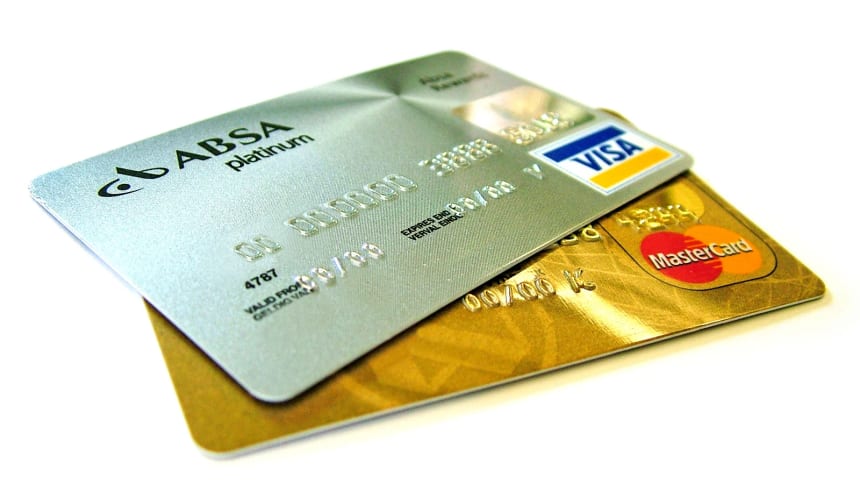
Several payment cards illustrate why receipts from different payment methods are not interchangeable.
Understanding the issue of payment methods
Each method has different confirmation screens and reversal rules, and the most convenient option is not necessarily the easiest to verify afterward.
Understanding settlement proof step by step
Bank transfers may include a beneficiary name and traceable reference, wallet apps might show a status that later changes, and cash depends heavily on the receipt and identity of the recipient. The platform may restrict methods differently from what an advertiser lists in a message.
A transaction shaped by payment methods
Cash payments, wallet credits and bank transfers each produce different evidence. A useful comparison asks how the recipient is identified, how finality is established and what can be presented during a dispute. Convenience alone cannot answer those questions for a buyer who may need to reconstruct the transfer. A P2P crypto agent may recommend a local payment method, but a recommendation is not bank settlement evidence. Shiftal Coin explains typical P2P flows without receiving transfers.
The evidence changes with the payment method
Bank transfers, e-wallets and cash payments do not produce interchangeable records. A bank confirmation may carry a reference and beneficiary identifier; a wallet app might display several processing states; a cash handoff requires a receipt tied to the intended recipient. The relevant question is what each document proves, rather than which method feels most convenient. A payment that is simple to initiate can be difficult to reconcile if the approved order does not show how the payer and recipient should be identified.
Before choosing a method, imagine the transaction becoming disputed the next day. Which institution could confirm that money actually arrived, and what identifier would connect the payment with the escrow order? A bank transfer may be easier to trace than a vague photograph of a cash exchange, while a wallet method may have its own reversal rules. Those differences affect how the seller should interpret a receipt and how the buyer should preserve proof. The platform must also permit the selected route for that particular trade.
How to check the relevant records
Before starting, identify the evidence each payment route produces. Confirm the recipient identity, fees and applicable finality rule; check whether the marketplace recognizes that route. Make a plan for saving proof without exposing unnecessary personal details.
- Identify the original receipt or transaction entry produced by the selected payment rail.
- Confirm whether the marketplace order recognizes that same method and recipient.
- Record the applicable settlement or reversal rule before using the method.
The shortcut that creates uncertainty
Fraud becomes harder to untangle when a buyer pays using a method not attached to the order. A photograph of a cash handoff or a wallet screenshot may be less decisive than people expect. Before choosing a card or e-wallet route, review how reversible methods affect P2P sellers.
A measured conclusion on payment methods
Choose a method that both participants understand and that the live order authorizes. An adequate payment record should survive an ordinary support review without relying on private reassurance.
#PaymentMethods #SettlementProof #P2P